
Why We Need to Rethink "Drown-Proofing" and Focus on Child Development in Aquatic Education
Dec 22, 2025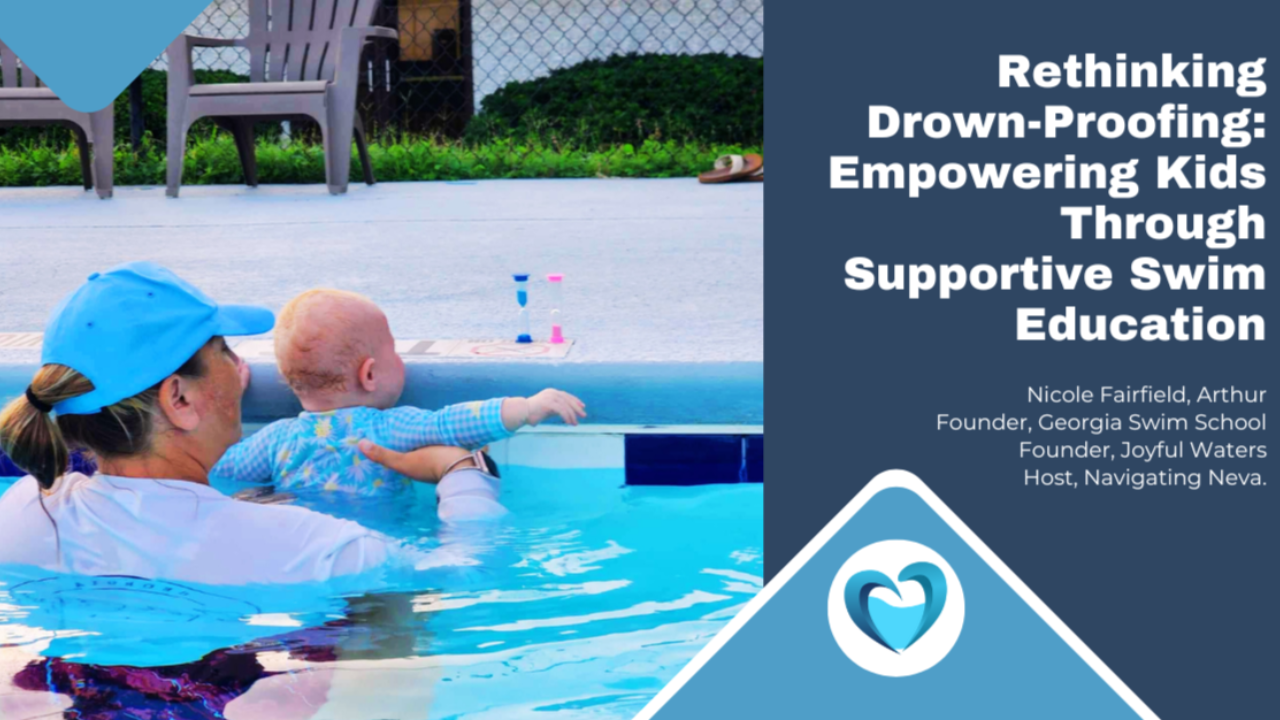
Article by Nicole Fairfield
As a community of parents, educators, and caregivers, we all share one common goal: reducing drowning and ensuring water safety for our children. But as we continue to teach swimming lessons, it’s crucial that we reevaluate our methods. How can we evolve our approach to water safety in a way that prioritizes both emotional well-being and survival skills?
I’m reaching out to all of you—parents, instructors, and those with personal experience in aquatic education—to share your stories, struggles, and triumphs. Together, we can shift the narrative around water safety and move away from outdated methods that may harm children’s emotional development. Let’s work to create a future where children are not only safe in the water but also confident and empowered.
Now, let’s dive into the current landscape of swimming lessons and explore why it's time to rethink the way we approach water safety—especially with children who may need more patience and understanding.
The Divide: Two Camps, Both Loving Their Children
The world of swimming education, like many other areas of child development, seems to be divided into two camps. On one side, we have those who embrace traditional, fear-based techniques like "drown-proofing" — a method that pushes children into the water, often before they are emotionally or physically ready, in an attempt to "protect" them from drowning. On the other, there are parents and educators who recognize the importance of child development and approach aquatic lessons with patience, empathy, and respect for each child’s readiness.
This divide mirrors other parenting debates, like sleep training — there will always be parents who swear by one method, while others find it harmful. The reality is, both sides are well-meaning; they all want the same thing: to keep children safe and help them thrive. However, the key lies in how we understand the science of child development and how it applies to water safety.
The Hidden Dangers of “Drown-Proofing”
It’s crucial that we understand the dangers of what is often referred to as “drown-proofing.” While some claim it’s a necessary method to ensure children’s survival in water, there is a growing body of evidence showing that these techniques can have lasting, harmful effects on a child’s emotional and psychological development.
When children are subjected to extreme methods—like being forced into water in a state of panic, only to be saved at the last second—they are pushed into fight or flight mode. This trauma doesn’t simply disappear once they’re out of the water. Instead, it often becomes ingrained in their nervous systems, leading to fear, anxiety, and disengagement from learning later on.
A tragic reminder of how drowning can happen even to experienced swimmers is the case of Elise Cerami. Elise, a young swimmer, tragically drowned during a training session in 2016. Her story highlights a critical point: no one is truly “drown-proof.” Despite the best training and preparation, drowning remains a real risk for everyone—swimmer or not.
Even in everyday situations, we see how the trauma of drown-proofing can manifest. I remember a story shared by a neighbor, whose child, after undergoing these lessons, felt so confident in his abilities that he wandered near the pool while riding his tricycle. The child fell into the water, the tricycle’s leg trapping him underwater. Fortunately, he was saved in time, but the mentality of being “drown-proofed” had ironically removed any fear or healthy respect for the dangers water can pose.
Empowering Children, Not Traumatizing Them
The truth is, we can teach water safety without the need for fear-based methods. The most effective approach is one that respects the child’s emotional state, builds trust, and promotes active participation in the learning process.
Children need to be able to engage with their environment in a safe and supportive way. This doesn’t mean pushing them to "survive" the water—rather, it’s about nurturing their natural curiosity, teaching them how to feel the water around them, understanding their body’s responses, and knowing that even when they go underwater, they’ll always come back up.
By fostering a calm, encouraging environment where children can take their time, we empower them to be active participants in their own learning. The goal is not to make them fear water but to teach them how to respect it. We want children to learn in a way that fosters a love for swimming—one that will serve them not just today, but for a lifetime.
A Call to Action: Share Your Story, Help Us Raise Awareness
The question is not whether “drown-proofing” is right or wrong—it’s whether we, as a society, can evolve to better understand child development and safety in a way that prioritizes emotional well-being. We need to move beyond old methods and embrace more humane, effective teaching techniques that ensure children learn to engage with water in a healthy, confident way.
I’m calling on parents, instructors, and anyone with personal experience to join this conversation. Share your stories, your struggles, your triumphs, and your lessons learned. Let’s educate each other, so we can collectively create an environment where all children, regardless of their background or developmental needs, can learn water safety in a supportive, loving way.
I’ve created a platform to collect these personal stories and raise awareness about the dangers of fear-based aquatic lessons. Please visit https://www.drowningpreventionlowcountrygoldenisles.com/swim-safe-learn-right to share your testimony and become part of this important movement. Together, we can shift the narrative, evolve our teaching methods, and create a safer, more supportive future for our children.
Parting Thoughts: When we approach water safety with a mindset grounded in love, patience, and respect for a child’s development, we ensure that we are building not just water safety skills, but resilience, confidence, and trust. It’s time to move past outdated methods and towards a future where children can thrive in the water—and in life.
Stay connected with news and updates!
Join our mailing list to receive the latest news and updates from our team.
Don't worry, your information will not be shared.
We hate SPAM. We will never sell your information, for any reason.
