
The Importance of Introducing Swimming Early: Developing Confidence, Safety, and a Lifelong Skill
Jan 06, 2026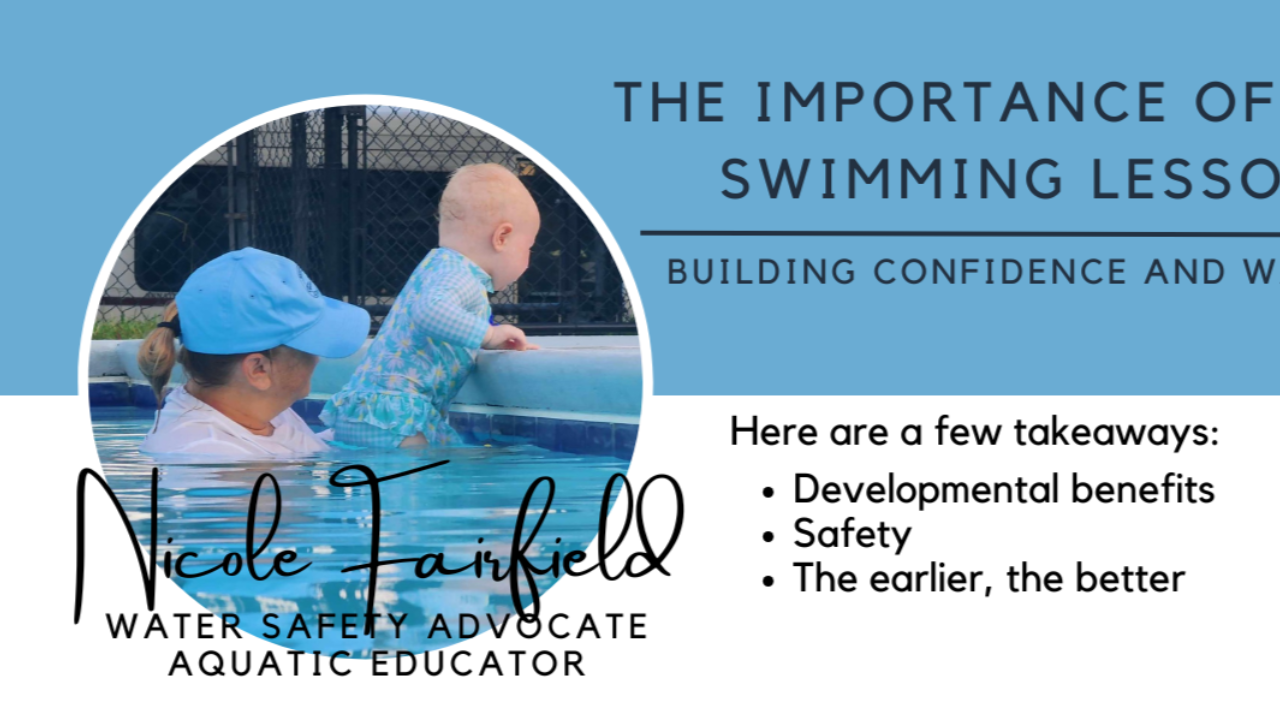
Article by Nicole Fairfield
As parents, we always want to give our children the best start in life. One area that often gets overlooked, but can have a lasting impact, is introducing babies and toddlers to water. While the idea of swimming lessons for infants might sound intimidating to some, the reality is that starting early can help set your child up for a lifetime of water safety, confidence, and enjoyment.
Why Start Swimming Lessons at a Young Age?
Around 6 months of age is the perfect time to start water exposure for babies. By this time, infants are developing important motor skills—such as sitting, crawling, pulling up to stand, and even taking their first steps. Introducing them to water during this developmental stage provides a fantastic opportunity to build core strength and coordination in a fun and supportive environment. The movement and balance babies develop in the water directly translate to better physical development on land.
But there’s more to it than just muscle building. At this stage, babies' brains are like sponges, soaking up information and forming connections at an astonishing rate. This is when they are most receptive to new experiences. Introducing them to the world of water early helps them become familiar with it and helps them start developing key water safety skills—such as understanding buoyancy, floating, and the sensation of their body in water.
Water Safety and Early Exposure
Unfortunately, many parents shield their children from water due to fear or a lack of understanding about water safety. While this might seem like a protective instinct, it can actually do more harm than good. Water can be dangerous if children are unprepared, but it doesn’t have to be scary. By introducing children to water early in a gentle, supportive way, we can ensure they have a positive association with it. We want them to learn that their bodies float and that they won’t sink. We want them to feel the buoyancy in the water and gain a sense of balance.
Let’s imagine two children:
- Child A: This child takes baths with just a few inches of water, always keeps their face dry, and wears floaties, never experiencing any water beyond a seated, vertical position.
- Child B: This child learns to float on their back and practice supporting their face out of the water. They experience having water poured over their face and even get water in their eyes, without stopping to wipe it off. This child’s water exposure also includes floating, kicking, and moving through the water with a parent.
Which child would you guess is safer in the water?
Being Fluent in Water
Just like learning a language, if a child is “fluent” in the environment of water, they’ll be more confident, more comfortable, and ultimately safer. Child B, who is introduced to water gradually and in a playful way, learns the natural rhythms and sensations of the water. They experience it with their body, which builds resilience and trust. This kind of familiarity makes them more likely to stay calm if they ever find themselves in an unexpected situation in the water.
The Emotional and Developmental Benefits of Early Water Exposure
I am not an advocate for infant survival lessons that focus solely on “dunking” or forced scenarios. While these programs aim to teach survival skills, they often bypass the emotional and social needs of the child. Instead, I believe in a more holistic approach—programs that prioritize the emotional safety of the child and help them develop both physically and mentally at their own pace.
Whether parents prefer a program where they join in the water with their baby (like a parent-child swim class) or opt for a program where their child is gently introduced to the water on their own (like Joyful Waters), the key is to start early. The younger a child is when they begin, the easier it is for them to adapt.
Building Lifelong Skills
Introducing your child to water early helps lay the foundation for more advanced skills later on. Children who are already comfortable in the water—who know how to enter and exit, who can float and move from vertical to horizontal positions—are at a tremendous advantage when they begin learning swimming strokes and propulsion.
The earlier they are introduced to the water, the more naturally they’ll progress. They’ll build muscle memory and confidence in ways that will serve them for years to come.
Final Thoughts
Starting swimming lessons early is not just about teaching your child to swim—it’s about helping them develop the physical, emotional, and cognitive skills that will carry them through life. Water safety, buoyancy, balance, and confidence are all key benefits of early water exposure. And when done in a gentle, supportive way, it’s a wonderful experience that you and your child can share together. The sooner you start, the easier it will be—and the safer they will be as they grow.
Practical Tips for Parents Getting Started with Baby Swimming Lessons:
- Start with Short, Positive Sessions Begin with brief exposure to water to ensure your baby feels comfortable. Even a few minutes in a warm bath can help your baby get used to the sensation of water. Gradually increase the duration of time spent in the water as they grow more accustomed.
- Choose the Right Environment Look for baby-friendly pools or parent-child swim classes that offer warm water (around 85-87°F) to make the experience more comfortable for your baby. Cleanliness and safety should be your top priority—make sure the pool is well-maintained, with a low chlorine concentration and appropriate safety measures in place.
- Go at Your Baby’s Pace Let your baby lead the way. Don’t rush to introduce water activities like floating or submerging their face. Instead, focus on introducing them to the water through fun activities like splashing and gentle rocking. Over time, build on these activities to encourage them to kick their legs or even float on their back.
- Use Water Play at Home Incorporating water play at home can be a great way to reinforce your baby’s water comfort. Let your baby sit in the bath, feel the water on their face, or even pour water over their body. These simple activities will help them become familiar with the sensation of water on their face and body, laying the groundwork for more advanced skills in the future.
- Safety First Always be vigilant when your baby is in the water. Ensure that you or a trusted adult are always within arm’s reach of your child when they’re in the pool or bathtub. Use floating devices like a swim ring or life vest for extra safety when appropriate (but avoid relying on these as substitutes for swim lessons). Always keep a watchful eye, even during fun, splash-filled moments.
- Look for Professional Classes with a Gentle Approach Consider enrolling your baby in a parent-child swim class that focuses on developing a positive relationship with water rather than survival skills. Look for classes that offer activities tailored to your baby’s developmental stage, helping them build trust, comfort, and motor skills in the water. Programs like Joyful Waters (or similar classes in your area) encourage emotional connection while gradually teaching water safety.
- Encourage Relaxation and Trust When you’re in the water, talk to your baby in a soothing voice. Reassure them that they’re safe and that the water is fun! Your baby will take cues from your emotional state, so staying calm and positive in the water helps them feel more confident and secure.
- Prepare for Tears It's normal for some babies to feel uneasy about water at first, while others may love it right away. A few tears or signs of discomfort can happen, and that's okay—it’s part of the process as they get used to something new. However, if your baby is crying because they're upset or afraid, it's important to step back and address their needs. Never push them into the water or force any part of the experience. Let your baby explore the water on their own terms and at their own pace. If you notice signs of stress or trauma, take a break and revisit the water when they’re ready. Creating a positive, low-pressure experience is key to helping them build confidence in the water.
- Build a Routine Consistency is key to helping your baby grow comfortable in the water. Whether you go once a week or more frequently, try to make water play a regular part of your child’s routine. This could mean attending a swim class regularly, having a weekly bath time play session, or even visiting a local pool together.
- Teach Water Safety Early As your baby gets older, start teaching them basic water safety concepts. For example, gently practice holding their breath when going under water, floating on their back, or kicking their legs. Even small babies can begin to learn the sensation of floating or holding onto the side of the pool. These early experiences will help lay the foundation for important water safety skills as they grow.
FAQs for Parents on Baby Swimming Lessons:
- When should I start swim lessons with my baby? It’s recommended to start introducing babies to water around 6 months of age. At this stage, babies have developed enough motor skills to begin practicing water activities like floating and gently moving their bodies in the water.
- How do I know if my baby is ready for swim lessons? Your baby might show an interest in water or enjoy splashing around in the bath, which can be a good indicator that they’re ready for swim lessons. If they seem calm and comfortable during bath time and don’t have any health issues preventing them from being in the water, they’re likely ready to start. Keep in mind that every baby is different, so it’s important to listen to your baby’s cues and introduce them to water gently. If you're unsure or have concerns, consult with your pediatrician to ensure it's the right time for swim lessons.
- What should I bring to a swim class with my baby? For a baby swim class, make sure to bring:
A swim suit that will keep their torso warm https://a.co/d/5c0fwEz
A swim diaper (required for babies in most classes and pools) https://a.co/d/9dZH9qk or https://a.co/d/9dZH9qk or https://a.co/d/g57irRb
A snug, comfortable swimsuit https://a.co/d/4wIet4z
A towel and warm clothes for after the lesson https://a.co/d/iBFXiTg
A water-safe toy to keep your baby entertained: for pouring water https://a.co/d/2GdckKQ for pouring water and boats https://a.co/d/0onWkIS and toys that sink and are easy to grasp https://a.co/d/cBHEr5c
A child size swim cap, if the pool water is cooler or the air is cool a swim cap helps keep body heat in https://a.co/d/eDNWZt6
A snack for afterward (to help your baby relax)
4. How often should I take my baby to swim lessons? Consistency is key. Aim for at least once a week, but if you’re able to, you could go more frequently. The goal is to create a routine that your baby can look forward to and continue to build their comfort and skills in the water.
Recommended Resources for Parents:
- Parent-Child Swim Classes: Find a local swim school that specializes in early childhood water safety and education. Many offer parent-child classes where you can learn alongside your child. like Georgia Swim School https://www.gaswimschool.com/
- Baby Swim Products: Look for safe, comfortable swim gear like swim diapers, baby flotation devices (like a baby ring or a baby float), and water toys that encourage play and learning.
- Books and Videos on Water Safety: Share stories and educational videos with your child that introduce the concept of water safety in an engaging way.
- https://a.co/d/9ooREJ8
- https://a.co/d/4ROoJ0q
- https://a.co/d/29GLTNQ
- https://watersafetywithmissdayna.com/make-your-safety-plan
Stay connected with news and updates!
Join our mailing list to receive the latest news and updates from our team.
Don't worry, your information will not be shared.
We hate SPAM. We will never sell your information, for any reason.
