
Self-Care Is Not a Luxury; It’s a Matter of Balance Banishing Burnout by Expanding the Way We Think
Mar 10, 2026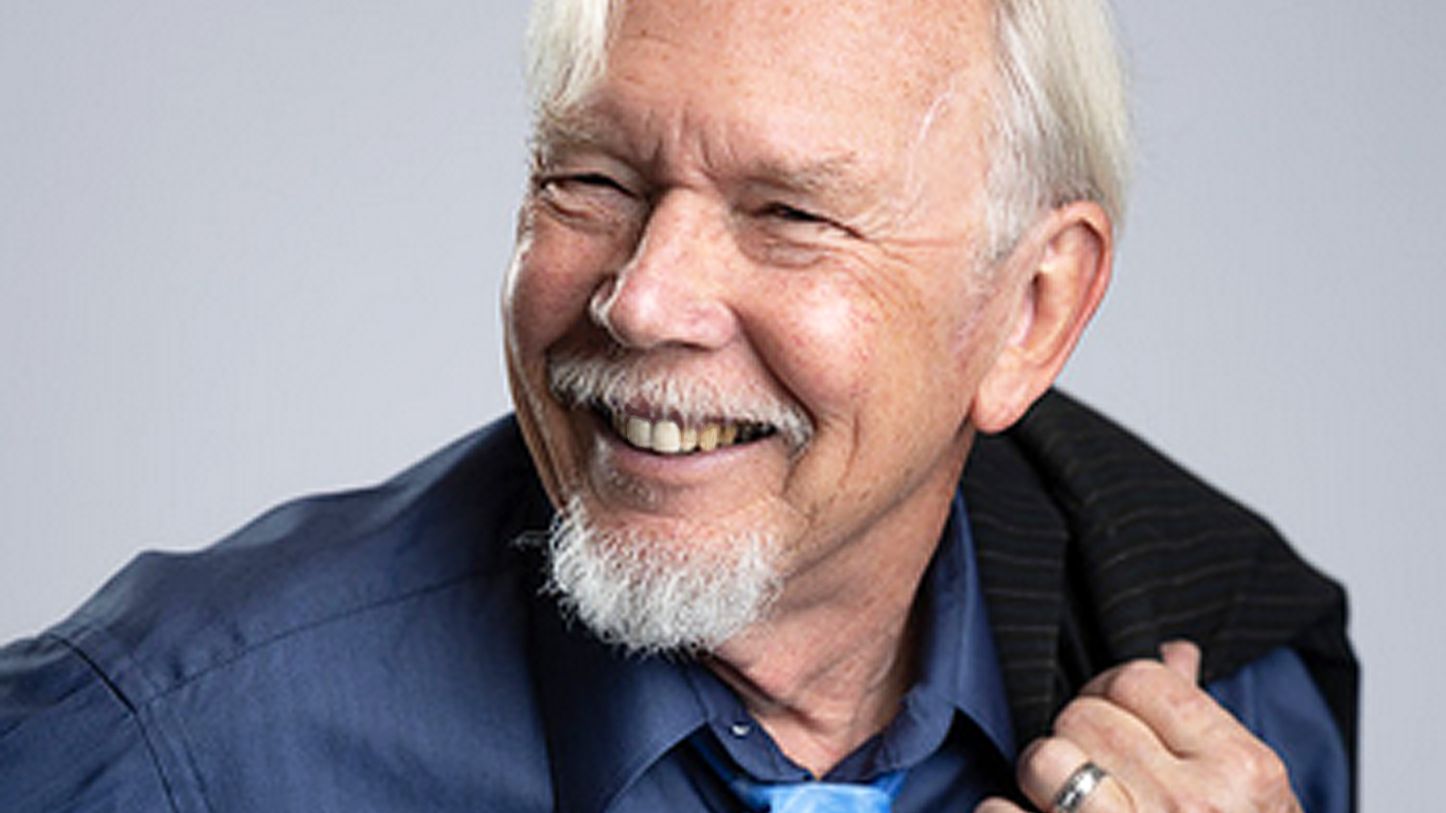
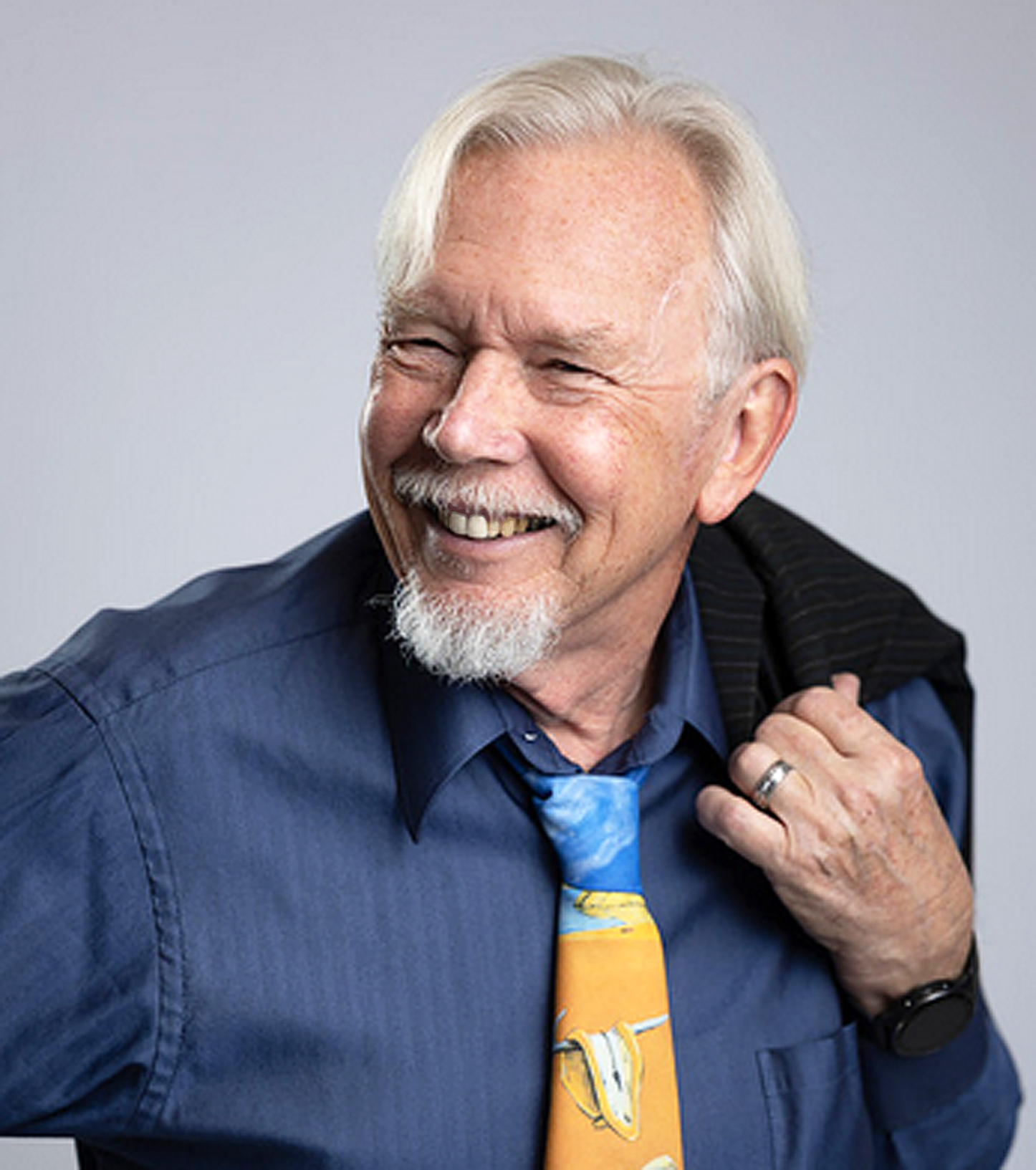
Article by Dr. André Walton
Anxiety, stress and burnout are often treated as emotional problems. We’re told to relax, breathe, take a break, exercise more, meditate, or manage our time better. Sometimes we are told to take time off and “reset,” as if stepping away for a while will somehow restore what has been lost.
These things can help, but they rarely address the deeper reason stress takes hold in the first place — and why it so often comes back.
More and more people are discovering that burnout isn’t simply about working too hard. It is about losing balance. When the pressures of life begin to exceed our ability to cope, something inside us tightens. Our thinking narrows, our energy drops, and the world can start to feel smaller and more overwhelming.
To understand why this happens, we need to look at stress differently — not just as something that happens to us, but as something that changes how our mind works.
When Pressure Exceeds Strength
Imagine an old wooden ruler hanging over the edge of a desk. You press down on one end and it bends. Press harder and it bends more. Eventually, it snaps.
The ruler does not break only because of the force being applied. It breaks because the force becomes greater than the strength of the material. Stress works in the same way.
We often assume that burnout is caused only by external pressure — too much work, too many responsibilities, too many problems coming all at once. But burnout also happens when our internal resources are no longer strong enough to cope with what life is asking of us.
This means that reducing stress is not only about removing pressure, it is also about strengthening the mind.
To understand how to do that, we need to understand what happens inside the brain when we feel threatened.
Stress Is Survival Mode
Thousands of years ago, stress meant danger. If our ancestors hesitated when faced with a mountain lion, they might not survive. The brain’s instant response narrowed attention, focusing in on the problem and shutting out anything that might delay action.
That ancient system is still active today.
The difference is that most modern threats are not life-or-death situations, and they don’t need to be resolved in seconds. They are deadlines, uncertainty, responsibility, conflict, financial worries, family pressures, or simply the feeling that life is moving faster than we can keep up.
Yet the brain reacts as if the danger were immediate, and when this happens, we shifts into survival mode. Thinking becomes focused and less flexible. We may notice ourselves becoming tense, reactive, or stuck in repetitive thoughts. We may feel overwhelmed, unable to make decisions, or unable to see a way forward.
I often describe this as the mind seizing and freezing. We seize the first solution that comes to mind and then freeze, unable to see any other possibilities.
This is not weakness. It is the brain doing exactly what it was designed to do.
The problem is that modern life rarely requires us to react instantly.
It requires us to adapt, to think broadly, and to see possibilities, and that requires a different way of thinking.
Two Thinking Modalities
Human thinking moves between two natural modes; one is focused and analytical, and the other is open and creative.
I call the focused ‘convergent’ thinking. It narrows attention yet it is efficient, logical, and precise.
The creative mode is ‘divergent’ thinking. It is curious, flexible, and imaginative, and it expands attention looking for many possibilities. It is the way of thinking that allows us to make connections across different domains in the same way as brainstorming should.
Both of these are necessary, but under stress, we get stuck in the convergent, focused mode.
When this happens, the mind becomes like a racehorse wearing blinders — able to see only what is directly ahead. Or think of it as looking at life through a microscope.
Everything is sharp, but the field of view is limited.
When we are thinking this way, we cannot see options, or the bigger picture.
Sometimes we cannot even see that there is a way forward. Perpetually being in this mode can have fatal consequences.
Divergent thinking is very different. It is like using a wide-angle lens. The picture becomes larger and more embracing. Possibilities appear that were invisible before.
Children use this way of thinking naturally. They explore, imagine, and ask questions because they have no templates yet for how to define their world.
Adults, on the other hand, rely heavily on past experience for templates as to how to react to the present. This saves time and energy, but it also makes thinking more rigid. There is no room in this mode for creativity, originality, or the expression of our uniqueness – our individuality!
When life becomes stressful, that rigidity can trap us.
The Hamster Wheel Effect
When we stay in narrow thinking for too long, our world begins to shrink. We focus-in and drill-down on problems, getting ever more analytical. We replay the same thoughts. We work harder for fewer results.
I sometimes describe this as being like a racehorse in a hamster wheel. Wearing blinders we barely notice we are going round and round in the same circular motion.
There is effort, there is movement, but there is no change in direction.
This is often how burnout begins.
Sleep becomes restless, and good, satisfying sleep becomes a thing of the past. Creativity evaporates. Recreation fades. Relationships become ever more distant.
Even things that once brought joy no longer seem to bring cheer. We have lost resilient.
Creativity, Emotional Intelligence, and Calmness Come From the Same Place
Most people think of creativity as something artistic or unusual, but its role in the brain is much deeper than that.
The same neural pathways involved in creative thinking are also involved in emotional regulation, empathy, and self-control. And social scientists have long since known that creativity also correlates with happiness!
When we think creatively, the brain becomes more flexible (increases in neuroplasticity). We imagine alternatives and see situations from different angles. And we can pause before reacting. This is exactly what emotional intelligence requires.
When stress pushes us into survival mode, these pathways become less active.
When we begin to think more openly again, they come back online.
This is why simply changing perspective can reduce anxiety. The brain senses that there is more than one possible outcome, and the feeling of threat begins to fade.
We have not changed the situation, we have changed the way we respond it.
That makes all the difference.
Why Modern Life Makes This Hard
The world we live in rewards focus, speed, efficiency and deduction.
We are taught to find the right answer quickly, efficiently. And valuable though these skills are, when they dominate, the brain spends its time in narrow mode.
Over time, flexibility weakens, and when pressure increases, the mind has nowhere to go except into survival mode.
This is one reason so many capable, intelligent, hard-working people find themselves exhausted, anxious, or burned out. They have trained themselves to focus, but not always to widen their thinking.
Cognitive Balance is lost.
Restoring Balance in the Mind
Reducing stress does not have to mean removing all stressors from life. Often it means changing the way we respond to it.
Small changes can make a difference.
Ask different questions.
Instead of asking “What is the answer?” ask
“What are the options?”
“What else could this mean?”
“What am I not seeing?”
Change routines.
Take a different route to work or to the gym or the grocery store
Try something new recreation (preferably something that involves others).
Do something unfamiliar.
Move your body.
Walking, especially in new surroundings, helps the brain reconnect different regions and increases flexibility. Remember to look slightly up when walking, rather than being focused on the couple of yards around your feet!
Pause before reacting.
Even a moment of stillness can allow the mind to shift out of survival mode, and demonstrate emotional intelligence.
Do something creative.
Writing, drawing, music, conversation, imagination — these are not luxuries, they are ways of keeping the mind balanced.
Each of these things helps the brain move from narrow thinking back to open thinking. When that happens, anxiety begins to loosen its grip.
From Survival Mode to Balance
The goal is not to eliminate stress, stress is a part of being human. The goal is to avoid becoming stuck in it.
People who stay resilient are not those who never feel pressure, they are the ones who can step back, widen their thinking, and see more than one way forward.
They regain perspective.
They regain choice.
They regain calm.
When the mind becomes flexible again, strength returns.
Burnout is not only about how much life demands from us, it is about whether our thinking has room to adapt.
When we restore balance, the same life feels very different.
That may be one of the most powerful forms of self-care we can practice.
About Dr. André
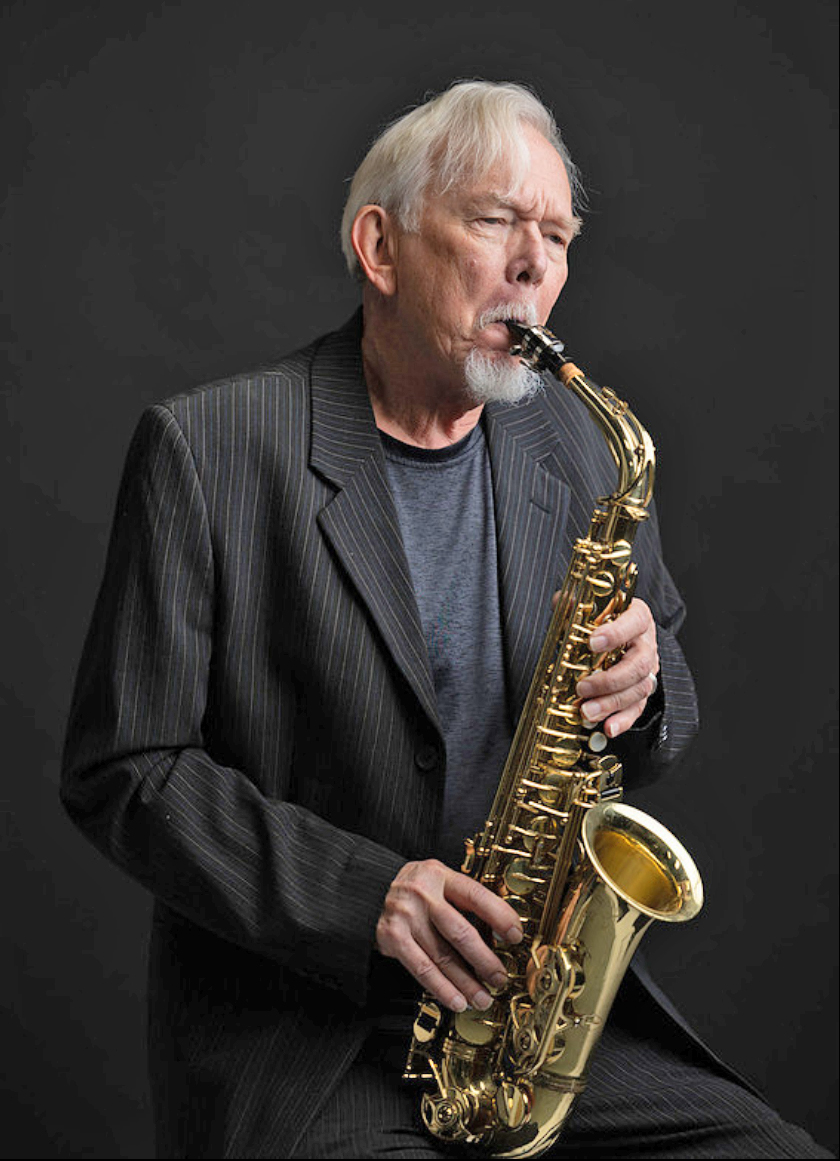
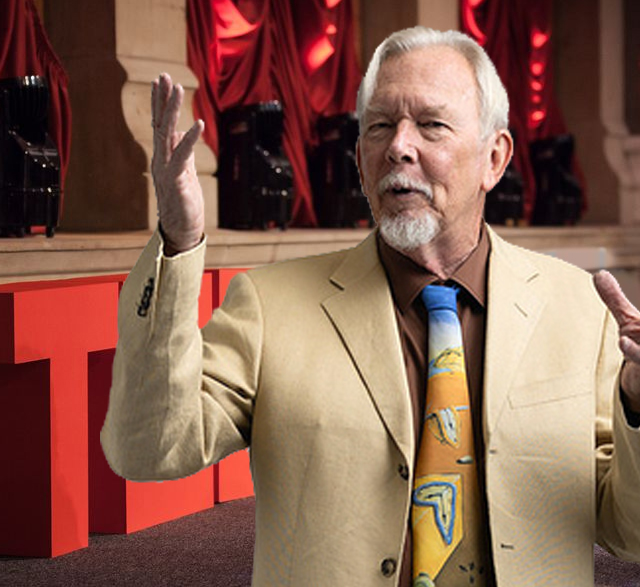
Dr. André resolves burnout, anxiety and exhaustion. He is an international best-selling author, TEDx and keynote speaker, and social psychologist known for his groundbreaking work on creative thinking, and innovation. Creator of the Banish Burnout™ framework and Spherical Thinking™, Dr. André helps individuals and organizations rewire stress into resilience and creative flow. He is the Visiting Professor at Newport Business School, and created executive development programs for The Smithsonian, Virgin Group, NASA, Lloyds Bank and the Welsh Government. With two decades of research and entrepreneurial experience, he inspires audiences to embrace creative thinking, strengthen emotional intelligence, and unlock human potential.
Stay connected with news and updates!
Join our mailing list to receive the latest news and updates from our team.
Don't worry, your information will not be shared.
We hate SPAM. We will never sell your information, for any reason.
